


At our company, we talk to civil engineering, waterproofing and landfill construction partners every week, and one of the most common long-term pain points they share is geomembrane delamination from concrete bases. Even high-quality geomembranes can fail prematurely if the connection between the flexible membrane and rigid concrete is not strong enough. That is exactly where E-LOCK, also called HDPE Anchor Profile or Concrete Embedment Profile, comes in. This simple but highly effective engineering component is designed to create an unbreakable, long-lasting bond between flexible waterproof membranes and concrete foundations. This guide covers all the practical information procurement and engineering teams need to select, install and use it correctly.
What Exactly Is E-LOCK?
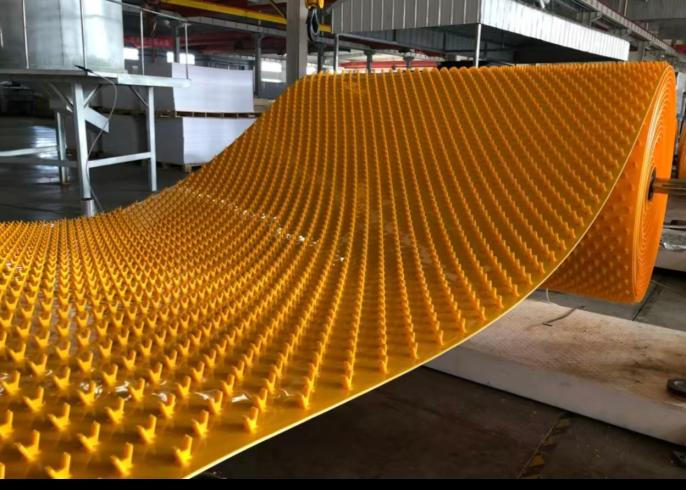
E-LOCK is also known as an HDPE Anchor Profile or Concrete Embedment Profile,which is embedded in concrete and designed to create an unbreakable bond between flexible membranes and rigid concrete foundations. It is an engineering component made from high-density polyethylene, primarily used to secure materials such as geomembranes and insulation boards to concrete or walls.
Core Performance Benefits That Solve Real Project Pain Points
From our practical experience supplying this product for different infrastructure projects, these four features directly address the most common failure points of traditional anchoring methods:
· Superior Anchoring Strength: Featuring a unique "E" shaped cross-section with three robust anchoring claws, it embeds deeply into concrete, providing exceptional resistance against pull-out forces and ensuring long-term structural integrity.
· Seamless Welding Compatibility: The exposed smooth surface allows for easy and strong extrusion welding with HDPE geomembranes, creating a continuous, leak-proof barrier.
· Extreme Durability: Manufactured from high-density polyethylene (HDPE), our profiles offer outstanding chemical resistance against acids, alkalis, and oils, along with excellent UV stability and temperature tolerance (-40°C to +60°C).
· Easy Installation: Simply place the profile in the pre-formed concrete groove before pouring. Once cured, weld the geomembrane directly to the profile’s surface using standard hot-air welding equipment.
One Critical Professional Tip Most Installation Guides Skip
Here is one high-value, practical detail we share with every project team before they start construction: after placing E-LOCK in the formwork before concrete pouring, never pour concrete directly onto the exposed welding surface. Always cover the exposed HDPE face with a thin strip of protective adhesive tape first. This prevents concrete splashes and cement residue from sticking to the smooth welding area. If you skip this step, even a thin layer of leftover cement will stop the geomembrane from fusing fully with the profile during welding, creating hidden leak points that are almost impossible to detect after the project is finished. This 2-minute pre-installation step can eliminate 90% of common welding failure risks.
Procurement and Selection Guide for B2B Buyers
When sourcing E-LOCK for your project, there are three simple points to confirm to avoid unnecessary issues:
First, confirm the profile width and embedding depth to match your project’s concrete layer thickness. Standard sizes range from 5cm to 20cm in total width, and we recommend selecting a model where at least 2/3 of the profile’s total depth can be fully embedded into concrete.
Second, confirm the material matches your geomembrane. For HDPE geomembranes, pick 100% pure HDPE E-LOCK, not blended or recycled material versions, to guarantee consistent welding performance.
Third, check that the anchoring claws are fully formed and free of cracks before installation. Broken or incomplete claws will drastically reduce the final pull-out strength.
By selecting the right specification for your concrete thickness, using the simple pre-installation protection tip, and following standard welding procedures, you can create a connection that stays strong and leak-proof for the full service life of your project.


